
Are Loyalty and Cashback Partners Worth It? How to Evaluate Real Incremental Value
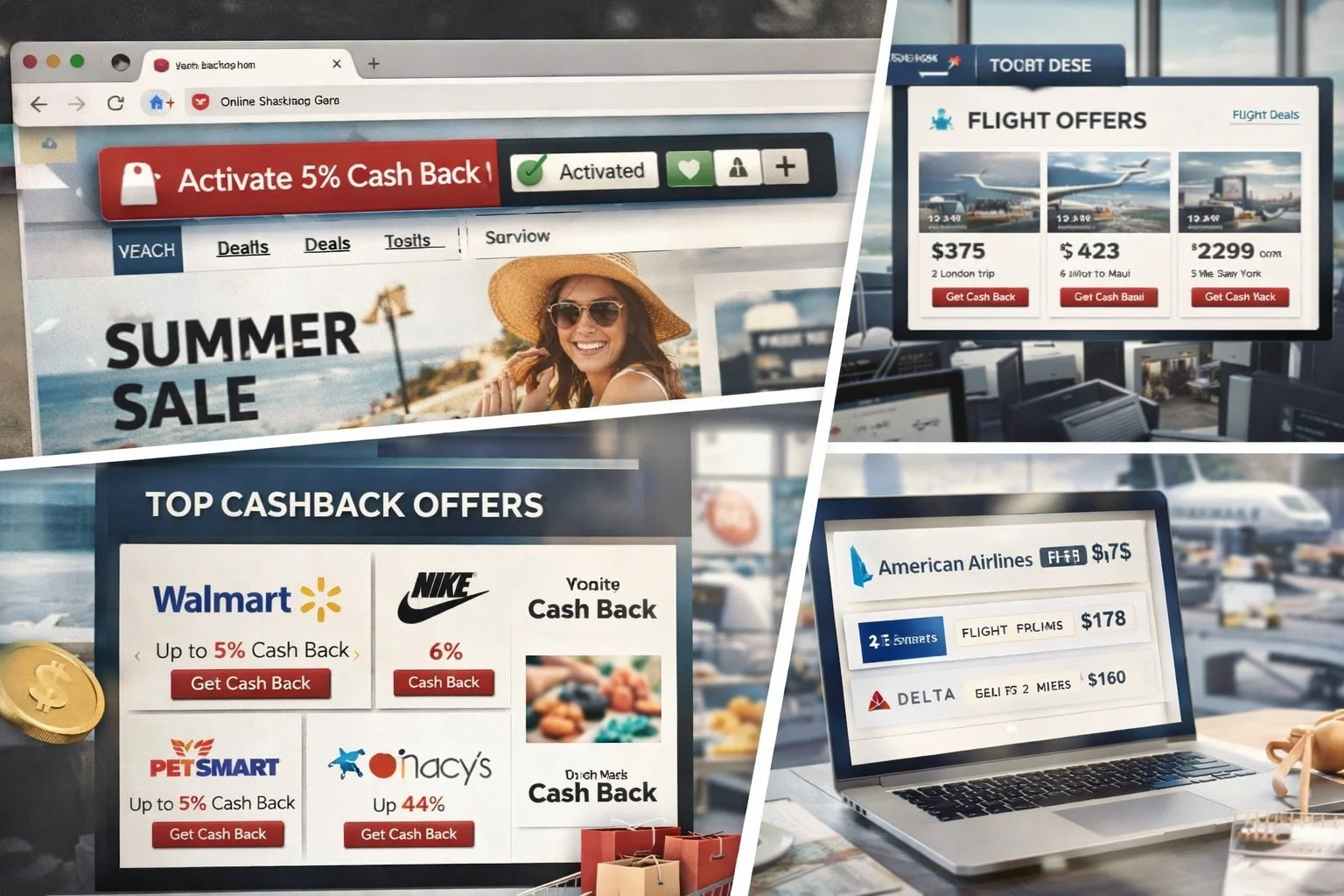
Loyalty partners can drive real value, but not all are created equal. If a partner relies solely on toolbars, it is often capturing existing demand, while those with broader distribution channels are far more likely to deliver true incremental growth.
Loyalty and cashback partners are a staple in most affiliate programs. They are often among the largest drivers of tracked revenue, easy to scale, and widely trusted by consumers. On the surface, they look like a clear win.
But there is a growing tension beneath that surface.
Not all loyalty partners create new demand. Many simply capture conversions that were already going to happen.
The difference between those two outcomes is what determines whether these partnerships are truly valuable or quietly eroding your margins.
This article breaks down how loyalty partners actually work, where they deliver real value, and how to measure whether they are incremental or just taking credit.
What Are Loyalty and Cashback Partners?
Loyalty and cashback partners include platforms that offer users rewards for completing a purchase. These rewards may come in the form of:
• Cashback
• Points or credits
• Discounts or perks tied to a membership
Common examples include:
• Browser extensions or toolbars
• Card-linked offer platforms
• Cashback portals and deal sites
• Loyalty programs tied to financial institutions or employee benefits
From a consumer standpoint, the value is clear. They get rewarded for a purchase they were already planning to make.
From a brand perspective, the question is more complicated.
Why Brands Work With Loyalty Partners
There are several reasons why loyalty partners remain a core part of affiliate programs.
1. Scale and Reach
Many loyalty platforms have massive user bases. Financial institutions, browser extensions, and cashback ecosystems can expose a brand to millions of users quickly.
This is especially valuable for:
• New brands entering a competitive category
• Seasonal spikes like tax filing, retail holidays, or travel
• Promotions that benefit from broad visibility
2. High Conversion Rates
Loyalty traffic tends to convert well.
These users are often already in-market and looking for ways to optimize their purchase. Adding cashback or rewards can push them over the line.
3. Flexible Placement Options
The best loyalty partners offer more than one way to reach users. These can include:
• Email placements
• On-site featured listings
• App-based promotions
• Card-linked offers
• Targeted campaigns based on user behavior
When used correctly, these placements can function as legitimate acquisition channels, not just conversion capture.
The Problem: Not All Loyalty Partners Drive Incremental Growth
This is where things get more nuanced.
If a loyalty partner’s only mechanism is a toolbar or browser extension, it becomes much harder to justify their value.
The Toolbar Problem
Toolbars and browser extensions typically activate at the point of conversion.
A user lands on your site through another channel. Then:
• A pop-up appears offering cashback
• The user clicks to activate it
• The affiliate partner gets credit for the sale
In this scenario, the partner did not:
• Introduce the user to your brand
• Influence the decision-making process
• Create new demand
They simply inserted themselves at the final step.
That is not incremental growth. That is attribution capture.
When Loyalty Partners Do Provide Real Value
The key distinction is whether the partner has multiple levers to drive influence earlier in the journey.
Loyalty partners can provide meaningful value when they offer:
1. Off-Site Distribution
Examples include:
Email campaigns to engaged user bases
App notifications or featured placements
Card-linked offers surfaced at the banking level
These placements can introduce your brand before the user reaches your site.
2. Owned Audience Engagement
Some loyalty platforms have highly engaged audiences that trust their recommendations.
If your brand is:
Featured prominently
Included in curated offers
Positioned alongside competitors
Then the partner is influencing consideration, not just conversion.
3. Strategic Campaign Support
The strongest partners will collaborate on:
Seasonal campaigns
Deadline-driven promotions
Exclusive offers
In these cases, the partner is helping shape demand and timing, not just capturing it.
How to Measure Incrementality
Understanding whether a loyalty partner is incremental requires going beyond platform-reported performance.
Here are practical ways to evaluate real value.
1. Time Between Click and Conversion
This is one of the most effective signals.
Ask:
What is the average time from first site visit to conversion?
When does the affiliate click happen relative to that window?
If:
Your average conversion time is 3–5 minutes
And the affiliate click happens seconds before the sale
That is a strong indicator of last-click capture.
If:
The affiliate click occurs well before the conversion
Or aligns with earlier touchpoints
There is a stronger case for influence.
2. Compare Against First-Click or Session Data
Use tools like:
GA4
Internal attribution systems
etc
Look at:
Where the session originated
Whether the affiliate was the first touchpoint or the last
If the affiliate is consistently the last interaction but rarely the first, their role is likely non-incremental. This comes with a caveat though, because this only indicates one part of the customer journey. It’s important to consider the fact that customers are going to interact with multiple touchpoints prior to conversion.
3. Monitor Registration and Funnel Progression
If your product requires:
Account creation
Multi-step onboarding
Compare:
Affiliate-attributed conversions vs actual funnel entry points
If users are already deep in the funnel before the affiliate interaction, there is a chance that the partner is not driving acquisition - but again, it’s worth considering that perhaps the later click is what drove that consumer to convert.
4. Run Controlled Tests
If possible, test incrementality directly:
Temporarily remove or restrict a partner
Compare conversion rates and revenue
If performance remains stable, the partner may not be adding value.
If performance drops meaningfully, they may be contributing more than attribution shows.
Doing this during seasonal growth, though, won’t provide much value because any surge could be attributed to myriad factors.
How to Structure Loyalty Partnerships Strategically
Instead of treating all loyalty partners the same, segment them based on capability.
Tier 1: Full-Funnel Partners
Partners that offer:
Email
App placements
Off-site distribution
These deserve:
Higher priority
Strategic planning
Potential hybrid deals (CPA + placement fees)
Tier 2: Mid-Funnel Support
Partners that:
Provide some exposure
Influence users during consideration
These can be optimized through:
Selective placements
Targeted promotions
Tier 3: Conversion-Only Partners
Partners that rely primarily on:
Toolbars
Last-click activation
These should be:
Closely monitored
Potentially restricted
Evaluated against strict incrementality benchmarks
The Bottom Line
Loyalty and cashback partners are not inherently good or bad.
Their value depends entirely on how they operate.
If a partner is only inserting itself at the final step through a toolbar, it is difficult to justify the cost as incremental growth.
But if that same partner offers multiple channels to reach and influence users earlier in the journey, the case becomes much stronger.
The goal is not to eliminate loyalty partners.
The goal is to differentiate between those that drive demand and those that capture it.
That distinction is what separates a high-performing affiliate program from one that is quietly leaking margin.
FAQ
-
A loyalty partner is an affiliate that incentivizes users with rewards such as cashback, points, discounts, or perks. These partners typically operate through browser extensions, cashback portals, email programs, or card-linked offers to drive conversions.
-
It depends on how they operate. Loyalty partners that rely heavily on toolbars or last-click interventions often capture demand rather than create it. In contrast, partners with broader distribution channels like email, marketplaces, or card-linked ecosystems are more likely to drive incremental value.
-
Toolbar-based affiliates can insert themselves late in the conversion funnel, often just before a purchase is completed. This can result in commissions being paid on conversions that would have happened anyway, making it difficult to justify true incremental growth.
-
Brands can evaluate incrementality using several methods:
Comparing timestamp data between first click and conversion
Analyzing average time-to-conversion versus affiliate click timing
Reviewing source-of-truth attribution tools outside the affiliate platform
Identifying patterns where affiliate clicks occur seconds before purchase
If affiliate clicks consistently happen right before conversion, it is often a sign of non-incremental activity.
-
Loyalty partners that offer multiple distribution channels provide stronger value. These may include:
Email newsletters
Featured placements within cashback marketplaces
Card-linked offers tied to real transactions
Mobile app integrations
Content or deal discovery environments
These channels can introduce new users rather than just capturing existing demand.
-
Yes, but selectively. Loyalty partners can drive meaningful revenue when structured correctly. The key is to evaluate how they generate traffic and ensure the partnership aligns with incremental growth goals, not just volume.
-
Best practices include:
Setting clear terms around toolbar usage
Using tiered commissions based on performance quality
Monitoring attribution data closely
Testing partners with controlled campaigns before scaling
Aligning payouts with verified incremental outcomes